

Obesity is a chronic medical condition, and the strongest treatment plans combine lifestyle care, prescription medication when it fits, and ongoing follow-up with a physician who knows your history. The right mix depends on your weight, your health conditions, your medications and your goals, which is why a physician-supervised plan tends to work better than guessing alone. At Macie Medical in Katy, Dr. Judith Aniekwena is board-certified in both internal medicine and obesity medicine, so your weight is treated as part of your whole health, not as a number on a scale.
This guide walks through each category of treatment, who it is generally for, what results to expect, and how to decide your next step.
TL;DR
- Obesity treatment has three layers: comprehensive lifestyle care for everyone, prescription medication for eligible adults, and metabolic or bariatric surgery for selected patients.
- Prescription medicines are generally considered for adults with a BMI of 30 or higher, or 27 or higher with a weight-related condition such as high blood pressure or type 2 diabetes.
- Losing 5% to 10% of your body weight can meaningfully improve blood sugar, blood pressure and triglycerides.
- A physician assesses more than BMI: waist measurement, labs, medications that promote weight gain and related conditions all shape the plan.
- Our physician-supervised medical weight loss program includes GLP-1 medications such as tirzepatide when appropriate, with in-person and Texas-wide telehealth visits.
Table of Contents
- What medical weight loss actually means
- Layer one: comprehensive lifestyle care
- Layer two: prescription medication
- Layer three: metabolic and bariatric surgery
- Putting the layers together: choosing your plan
- How Macie Medical supports your weight loss
- Our perspective
- FAQ
- Sources
What medical weight loss actually means
Medical weight loss is weight management led by a licensed physician rather than a diet plan, an app or a supplement. It starts with an evaluation, uses treatments with published clinical evidence, and includes follow-up so the plan can change as your body and life change.
That evaluation matters. A federal VA/DoD provider guide from February 2026 describes assessment as BMI plus waist circumference and other measures of body fat, a look at contributing factors and associated conditions, and a review of any medications that can cause weight gain. BMI, or body mass index, is a ratio of your weight to your height. It is a useful screening number, and your physician reads it alongside everything else.
The American Association of Clinical Endocrinology 2025 update goes further. It recommends a medical and weight history, a physical exam, and labs that check cardiometabolic risk: kidney function, a lipid panel, fasting glucose, hemoglobin A1c, and liver enzymes. It also calls for screening for secondary causes, such as weight-promoting medications and hormone conditions. The same update stages obesity by the complications it causes, from stage 1 (no complications) to stage 3 (one or more severe complications), so treatment can match how much your health is affected.
This is the part that is hard to do on your own. A physician can order the labs, spot a medication or thyroid issue that is working against you, and tie your weight plan to the rest of your care. We offer on-site lab services, and the same practice manages conditions like diabetes, high blood pressure and thyroid disorders, so those pieces are not handled in isolation.
Layer one: comprehensive lifestyle care
Every guideline starts here. The 2025 VA/DoD guideline, summarized in Annals of Internal Medicine, strongly recommends comprehensive lifestyle intervention, meaning behavioral, dietary and physical-activity components together, as the foundation of care for adults with overweight or obesity. Medication and surgery are added on top of that foundation, not in place of it.
Eating, movement and sleep
The National Heart, Lung, and Blood Institute points to the DASH eating plan for setting calorie goals, regular physical activity, and 7 to 8 hours of sleep a night. It also describes intensive behavioral programs with a registered dietitian that combine a reduced-calorie diet, activity goals and behavioral strategies, with goals reviewed every 6 months.
Mayo Clinic lists typical starting points: about 1,200 to 1,500 calories a day for women and 1,500 to 1,800 for men, plus at least 150 minutes a week of moderate activity. It also notes that crash diets do not beat sustained healthy-eating habits over the long run. Those ranges are general. Your physician adjusts them for your age, medications and conditions.
A 2025 evidence review reports that guidelines suggest a deficit of roughly 500 to 700 calories a day to lose about 1 to 1.5 pounds a week. For activity, the ACC/AHA guideline recommends at least 150 minutes a week to start losing weight and 200 to 300 minutes a week to prevent regain. Many adults find that structured exercise and nutrition coaching with a certified trainer makes those activity targets easier to keep up.

How fast is safe
Johns Hopkins Medicine describes 1 to 2 pounds a week as a safe pace and notes that slow loss tends to hold up better over time because quick loss often leads to regain. It also points out that even a modest goal of 3% to 5% brings important health gains, and that half a pound a week over three years adds up to 78 pounds.
For a 200-pound adult, Mayo Clinic’s first goal of 5% to 10% means 10 to 20 pounds. That sounds small, and it is enough to move your numbers. The NHLBI states that 5% to 10% loss can significantly improve health and quality of life.
If you want a closer look at what is available without surgery, our guide to non-surgical obesity treatment options covers the range in more detail.
Layer two: prescription medication
When lifestyle changes alone are not producing enough progress, or when weight is already affecting your health, prescription medication is the next layer. It does not replace eating well and moving more. It makes those habits work harder.
Who may be eligible
The National Institute of Diabetes and Digestive and Kidney Diseases (NIDDK) says adults with a BMI of 30 or higher, or 27 or higher with a weight-related health problem such as high blood pressure or type 2 diabetes, may benefit from prescription weight-management medication. Combined with lifestyle changes, adults on these medicines lose on average 3% to 12% more of their starting weight after one year than people using lifestyle changes alone, and most of that loss comes in the first six months.
NIDDK also explains that a health care professional will review progress, and if you have not lost at least 5% after 12 weeks at full dose, they will probably talk with you about a change. Medication is meant to be reviewed and adjusted, which is one reason ongoing visits matter.
The main medication choices
The American College of Physicians’ April 2026 living guideline ranks options for nonpregnant adults with a BMI of 30 or higher:
| Line | Medication | Notes from the guideline |
|---|---|---|
| First | Semaglutide or tirzepatide, with lifestyle changes | Also first-line at BMI 27 to 30 with a related condition such as type 2 diabetes, high cholesterol, high blood pressure, sleep apnea or cardiovascular disease |
| Second | Phentermine-topiramate | Requires monthly pregnancy tests where pregnancy is possible, and is not suited to people with cardiovascular disease |
| Third | Liraglutide | Second-line at BMI 27 to 30 with a related condition |
| Fourth | Naltrexone-bupropion | Carries a risk of suicidal thoughts that your physician will review with you |
The guideline stresses that the choice should weigh benefits, harms, cost, access and contraindications, which are the reasons a medication is not safe for a particular person. The American Diabetes Association’s 2026 Standards of Care say the same thing from the diabetes side: choose the medication most likely to reach and maintain your goals, while considering cost, tolerability, side effects and your preferences.
The 2025 VA/DoD guideline reports that semaglutide and tirzepatide produced roughly 15% to 25% total body weight loss in studies with follow-up up to three years. Individual results vary, and your physician sets expectations based on your own health.
Semaglutide and tirzepatide, in plain terms
Both belong to the GLP-1 family of medicines, which work on appetite and blood sugar signals. Tirzepatide is part of the physician-supervised weight loss program at Macie Medical when it is appropriate for you. If you are weighing the two, we compare them side by side in semaglutide versus tirzepatide for weight loss, and our page on the semaglutide weight loss clinic in Katy explains what visits look like.
Treating it as long-term care
Obesity is chronic, so treatment is often long term. NIDDK notes that you may need to stay on a medication if it is helping and not causing serious side effects, and the VA/DoD guideline suggests continuing effective obesity medication rather than stopping, because weight tends to return when treatment ends. A physician who sees you regularly can adjust your dose, watch for side effects and keep your other medications in view.
Supplements are a different category
Over-the-counter products can look similar to medical treatment on a shelf, but they are not the same. The 2025 VA/DoD guideline suggests against using dietary supplements or nutraceuticals for clinically meaningful weight management. If you are taking a supplement now, bring the bottle to your visit so your physician can check it against your medications and health conditions.
Layer three: metabolic and bariatric surgery
Surgery is generally considered for adults with higher BMI or serious related conditions, and usually after other measures have been tried. A Washington State Health Care Authority evidence report from 2024 concludes that metabolic and bariatric surgery is generally effective and safe for weight loss and for resolving obesity-related conditions in eligible adults.
An ASMBS statement from 2023 reports three-year total body weight loss of about 29% to 31% in Medicare-age patients and lower cardiovascular risk compared with nonsurgical treatment. Surgery involves lifelong follow-up, so the decision belongs in a conversation with your primary care physician and a surgical program. Your physician can assess whether you are a candidate, order the labs and records a surgical program asks for, and coordinate your care before and after.
Putting the layers together: choosing your plan
Most adults do not pick one layer. They move between them as their health changes. A practical way to think about it:
- Start with a full evaluation. Weight history, labs, current medications and conditions come first, because they decide which treatments are safe.
- Set a first goal of 5% to 10%. It is realistic, and it is the range tied to better blood sugar, blood pressure and triglycerides.
- Build the lifestyle base. Eating pattern, activity, sleep and behavior support apply to everyone, with or without medication.
- Add medication when you are eligible and it fits. Your BMI, related conditions, other prescriptions and preferences shape the choice.
- Review regularly. Progress, side effects and goals are rechecked, and the plan changes with you.
If insulin resistance or prediabetes is part of your picture, our article on insulin resistance weight loss treatment explains how that changes the approach.
Cost and insurance questions
Coverage varies. NIDDK says some, but not all, insurance plans cover weight-management medication and advises checking with your insurer. Plans also differ on surgery; one 2026 Blue Cross Blue Shield of Illinois policy, for example, requires documented conservative weight-loss efforts before approving bariatric surgery. Texas plans will have their own rules, so ask your insurer what applies to you. Our overview of medically supervised weight loss programs and insurance is a good place to start, and our cash pay page covers self-pay options.
How Macie Medical supports your weight loss
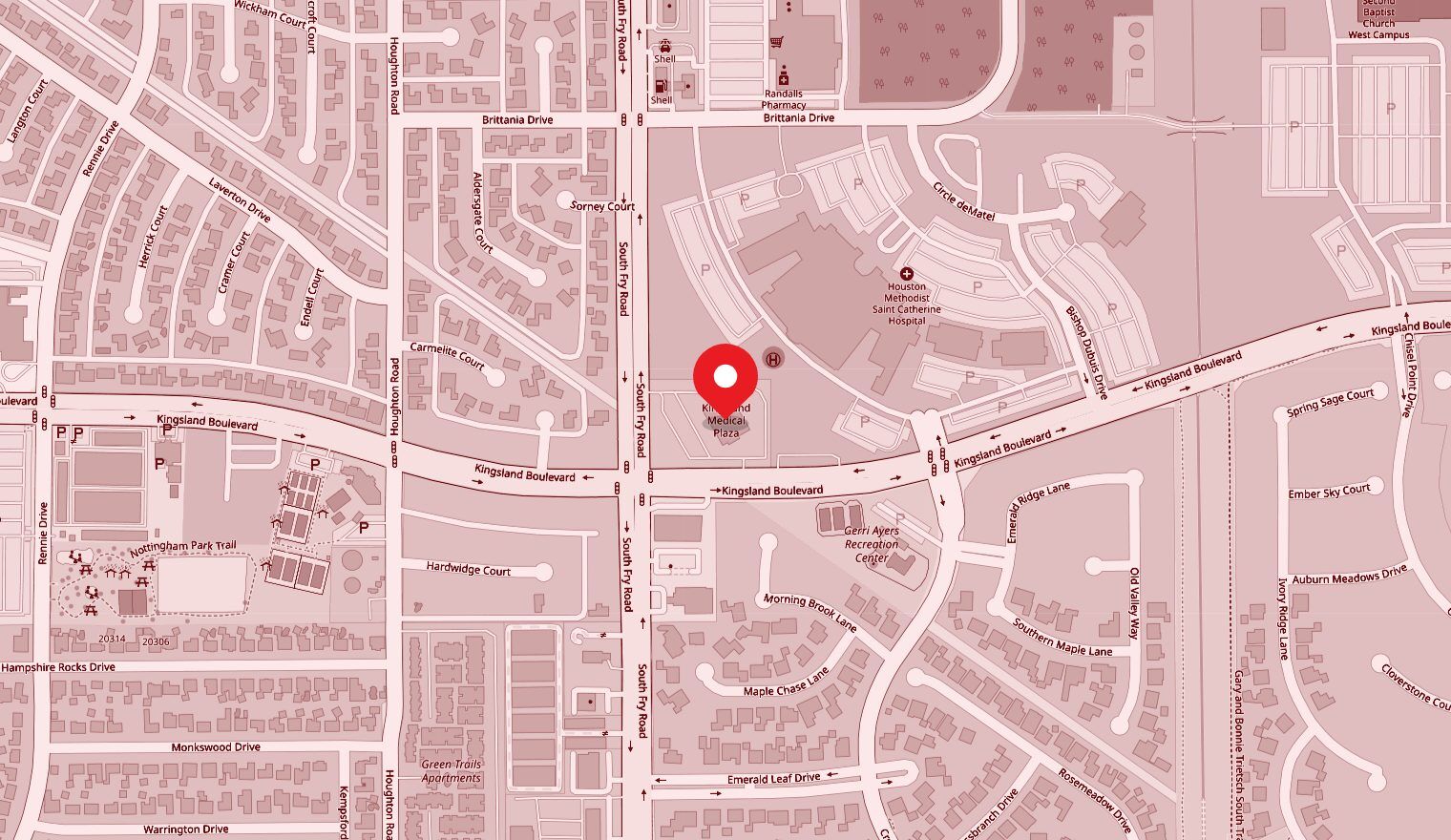
Our weight loss program is physician-supervised and led by a board-certified obesity medicine doctor. It includes GLP-1 medications such as tirzepatide when appropriate, and the membership packages are recurring so your follow-up stays steady. You can be seen in person in Katy, or by telehealth anywhere in Texas. We serve patients from Katy, Cypress, Richmond and Memorial City, and since November 16, 2026 we welcome patients at 633 E Fernhurst Dr, Suite 205, Katy, TX 77450.
Because we are also your primary care practice, we can look after blood pressure, diabetes, thyroid care, annual physicals and sick visits in the same place. You can read about the weight loss program and then call or book online.

Our perspective
Weight is rarely just a willpower question. In our practice we see weight as one part of a person’s whole health, shaped by hormones, medications, sleep, stress, family history and the life you are actually living.
That is why we begin with listening and a thorough evaluation. Dr. Aniekwena is board-certified in internal medicine and obesity medicine, which means your weight plan sits alongside your blood pressure, your blood sugar and your preventive care instead of apart from them.
We believe the best treatment is a partnership over time. A plan that includes GLP-1 medications such as tirzepatide when appropriate, supported by lifestyle guidance and regular visits, gives you a clearer path and a manageable one. Every patient should leave understanding their plan.
Macie Medical
FAQ
What is the most effective obesity treatment?
No single option is best for everyone. Lifestyle care is the foundation, and current guidelines place semaglutide or tirzepatide first among medications for eligible adults. Your physician matches the plan to your health conditions, medications and goals.
What is medical weight loss?
It is weight management supervised by a physician, with an evaluation, evidence-based treatment and regular follow-up. It may include prescription medication when you are eligible, alongside nutrition, activity and behavior support.
How much weight should I aim to lose?
A first goal of 5% to 10% of your starting weight is common, and it is linked to better blood sugar, blood pressure and triglycerides. A pace of 1 to 2 pounds a week is considered safe. Your physician can set a target that fits your health.
Do I need to take weight loss medication forever?
Not necessarily, but obesity is a chronic condition, so many people continue treatment while it is helping and not causing serious side effects. Your physician will review progress with you at regular visits and adjust the plan as needed.
Sources
- VA/DoD provider guide to adult overweight and obesity, February 2026
- AACE 2025 consensus update on obesity
- Adult overweight and obesity management: VA/DoD guideline update, Annals of Internal Medicine
- NHLBI, Overweight and Obesity Treatment
- Mayo Clinic, Obesity diagnosis and treatment
- 2025 evidence review on lifestyle and surgical obesity treatment, PMC
- Johns Hopkins Medicine, Obesity Treatment Overview
- NIDDK, Prescription Medications to Treat Overweight and Obesity
- American College of Physicians living guideline, April 2026
- ADA Standards of Care 2026, pharmacologic treatment of obesity
- Washington State Health Care Authority, bariatric surgery report, 2024
- ASMBS statement on metabolic and bariatric surgery, 2023
- Blue Cross Blue Shield of Illinois bariatric surgery policy, 2026