
When you start a weight loss plan, it is normal to ask which foods still fit. White rice is used in many parts of the world, so people often wonder whether it is healthy, whether it helps fat loss, and how it compares with brown rice and other grains.
Many readers ask, ‘Is white rice healthy?’ and ‘Is rice good for you?’ This guide looks at the calories in rice, the carbs in white rice, the pros and cons, and simple ways to use it in a balanced meal plan.
Table of Contents
ToggleUnderstanding White Rice: A Simple Look
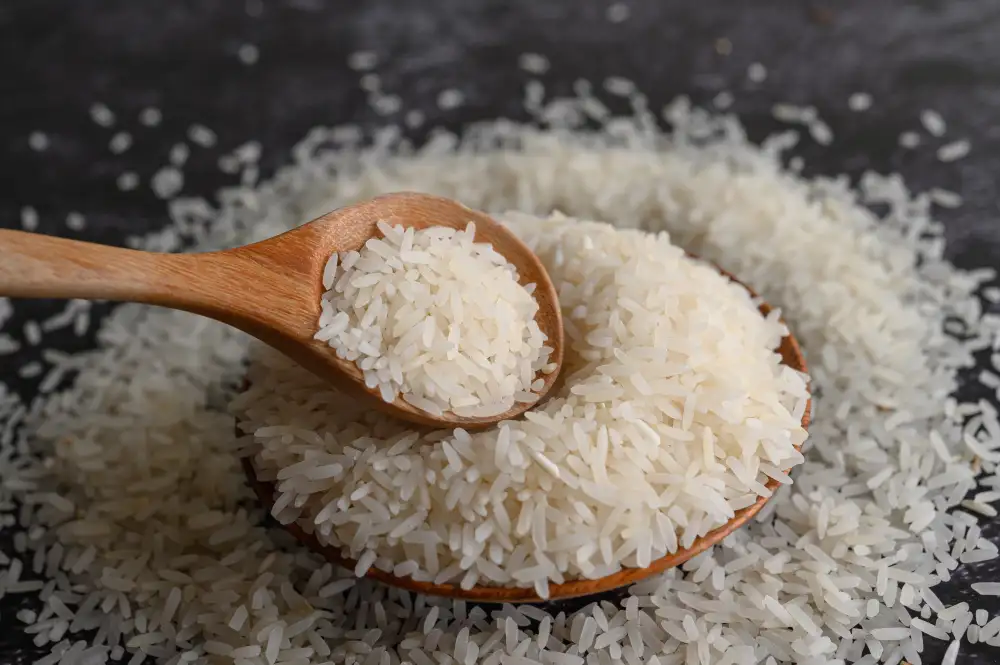
White rice is a refined grain. It starts as brown rice after the bran and germ are removed, leaving the starchy endosperm. This gives it a soft texture and a longer shelf life, but it also removes fiber and some nutrients.
Per 1 cup cooked, white rice has about:
- Calories: 205 kcal
- Carbs in white rice: 44.5 grams
- Protein: 4.3 grams
- Fat: 0.4 grams
- Fiber: 0.6 grams
- Glycemic Index: 70 to 89
- Small amounts of manganese, folate, and iron if enriched
White rice is mostly a carb food, so it gives quick energy. Yet its low fiber and low protein can make it less filling. A high GI can also cause rapid blood sugar spikes, which may affect hunger and fullness.
Many readers ask whether white rice is healthy or whether rice is good for you. The answer depends on the full meal, the portion, and your goals.
White Rice and Weight Loss: The Pros
1. Calorie control and portion size
White rice is not high in calories when you keep the serving small and skip added fat. One cup cooked is about 205 calories. A half cup is even easier to fit into a meal plan.
If you are tracking calories in rice, the full plate matters more than the rice alone. White rice can work well when you pair it with vegetables and lean protein, a foundation of weight loss linked to weight loss.
2. Range in healthy recipes
White rice has a mild taste, so it fits many meals. That makes it useful in healthy recipes with vegetables, chicken, tofu, beans, or fish.
A simple bowl with broccoli, peppers, shrimp, and a small scoop of rice can be filling without being heavy. This kind of meal can help when you want flexibility, not a strict food list.
3. Cultural fit and access
For many people, rice is a comfort food and part of family meals. Cutting out loved foods can lead to cravings and then diet slip-ups. Keeping white rice in the plan can make the eating style feel more natural.
That matters for people who cook rice-based dishes from Asian, Latin American, or Middle Eastern homes. A plan that fits the culture is often easier to keep.
4. Easier to digest
White rice is easier on the stomach than brown rice or quinoa for some people. That can help people with sensitive digestion, IBS, or days when they need simple food.
If you need steady eating habits without stomach trouble, white rice may be a good fit.
The Challenges: When White Rice Can Get in the Way
White rice can fit into a weight loss plan, but it is not perfect for every person.
1. High blood sugar impact
White rice has a high glycemic index. That means it can raise blood sugar fast. For some people, that rise is followed by a quick drop, and hunger comes back sooner.
If you want better fullness, brown rice or quinoa may work better. That is one reason people compare brown rice and losing weight. Whole grains often hold hunger down for longer.
2. Low fiber and protein
Fiber and protein help you feel full. White rice has very little of both. That can make it easier to eat too much or snack again soon after a meal.
If you are focused on losing weight with brown rice or other whole grains, the extra fiber can help. White rice can still work, but it usually needs more support from the rest of the meal.
3. Lower nutrient density
White rice gives energy, but it is not the healthiest rice option for fullness or nutrient value. Brown rice keeps the bran and germ, so it gives more fiber and more natural nutrients.
For weight loss, focus on foods that give more nutrients per calorie. White rice may not do that as well as whole grains.
White Rice vs. Other Grains
People often compare white rice with brown rice, quinoa, and bulgur when they talk about brown rice fat loss or brown rice for losing weight. Here is a simple look.
| Grain (1 cup cooked) | Calories | Fiber (g) | Protein (g) | Glycemic Index |
|---|---|---|---|---|
| White rice | 205 | 0.6 | 4.3 | 70–89 |
| Brown rice | 215 | 3.5 | 5.0 | 50–55 |
| Quinoa | 222 | 5.2 | 8.1 | 53 |
| Bulgur | 151 | 8.2 | 5.6 | 48 |
What this means
- Brown rice has more fiber and a lower GI than white rice. It often keeps you full longer, which can help with brown rice and losing weight.
- Quinoa has more protein and fiber. It is a strong pick if you want steady energy and less hunger.
- Bulgur is low in calories and high in fiber. It is often a smart choice for weight loss.
- White rice is still useful if you like it and keep the meal balanced.
If you want the healthiest rice for fullness, whole grains usually win. But if you like white rice better and can keep portions small, it can still fit.
How to Include White Rice in a Weight Loss Diet
If you enjoy white rice, you do not need to cut it out. Use these tips to keep it useful in your plan.
1. Watch the portion
Try 1/2 to 1 cup of cooked white rice per meal. Use a measuring cup at first. Rice is easy to over-serve.
2. Build a balanced plate
Pair rice with vegetables, lean protein, and a little healthy fat.
Lunch idea: 1/2 cup white rice, grilled salmon, steamed spinach, and olive oil dressing.
Dinner idea: Veggie fried rice with egg, carrots, peas, and a light soy sauce.
3. Choose lower-GI types
Basmati and jasmine rice often have a lower GI than short-grain white rice. That may help reduce fast blood sugar spikes.
4. Add fiber and protein
Mix in beans, lentils, tofu, chicken, or other lean proteins. Extra fiber and protein make the meal more filling.
For example, white rice with black beans and salsa is simple and satisfying.
5. Cook it with less added fat
Steam or boil the rice when you can. Skip extra butter or large amounts of oil. Use herbs, spices, lemon juice, or vinegar for flavor.
6. Rotate with other grains
You can alternate white rice with brown rice, quinoa, or farro. That gives you more variety and more nutrients across the week.
If you like brown rice for losing weight, use it on some days and white rice on others. That way, you do not feel stuck with one food.
Practical Meal Plan with White Rice
Here is a sample one-day meal plan with white rice in a weight loss-friendly way:
- Breakfast: Greek yogurt with berries and chia seeds
- Lunch: 1/2 cup white rice, grilled chicken breast, steamed broccoli, and a side salad with olive oil dressing
- Snack: Apple slices with 1 tbsp almond butter
- Dinner: 1/2 cup white rice, stir-fried tofu with zucchini, bell peppers, and low-sodium soy sauce
- Total calories: about 1,200 to 1,500, depending on your needs
This plan keeps calories in check while still giving you a mix of protein, fiber, and flavor.
Expert Insights and Studies
Research on white rice and weight loss is mixed.
A 2019 study in Nutrients found that refined grains like white rice did not stop weight loss when total calories were controlled. A 2020 study in the American Journal of Clinical Nutrition found that swapping refined grains for whole grains helped people keep weight off better. The main reason was more fiber and more fullness.
At Macie Medical in Katy, TX, the focus is on the full eating pattern, not just one food. Portion control, balanced meals, and steady habits matter most. That is why white rice can fit if you plan for it.
Common Myths About White Rice
- Myth: White rice causes weight gain.
- Truth: No single food causes weight gain by itself. Total calories matter more. White rice can fit in a weight loss plan when portions stay in check.
- Myth: White rice has no value.
- Truth: Enriched white rice gives some iron and folate, and it is a quick energy source.
Conclusion: Can White Rice Be Part of Weight Loss?
Yes. White rice can be part of a weight loss plan when you keep portions small and pair it with fiber and protein. It is not always the best choice for fullness, and it is not the healthiest rice for every goal. Still, it has real advantages: it is flexible, easy to find, and a familiar food for many people.
If you are asking, ‘Is white rice good for you?’ the best answer is: it can be, when it fits your needs and your full meal plan.
The key is balance. Keep an eye on calories in rice, choose good sides, and build meals that help you stay full.
Ready to make a plan that includes foods you like? Contact Macie Medical in Katy, TX, at (713) 300-3905 or visit www.maciemedical.com to schedule a visit. The board-certified providers at Macie Medical can help build a steady weight loss plan that fits your life. Start the journey to better health today!
Q&A
Question: Can I eat white rice and still lose weight?
Short answer: Yes. If you manage portions and total calories, white rice can fit. A cup has about 205 calories, so 1/2 to 1 cup with vegetables and lean protein can work well.
Question: Why can white rice make weight loss harder for some people?
Short answer: White rice has a high GI and very little fiber or protein. That can lead to faster hunger and bigger meals if the rest of the plate is not balanced.
Question: How does white rice compare with brown rice, quinoa, and bulgur for weight loss?
Short answer: Brown rice, quinoa, and bulgur usually give more fiber and more fullness per calorie. That is why they are often better for brown rice fat loss plans and other weight loss goals. White rice can still fit if portions are controlled.
Question: What is the best way to include white rice in a weight loss diet?
Short answer: Keep servings to 1/2 to 1 cup cooked, add vegetables, use lean protein, pick lower-GI types like basmati or jasmine, and avoid extra butter or oil. You can also rotate in whole grains like brown rice, quinoa, or farro.
Question: What do studies say about white rice and weight loss?
Short answer: The findings are mixed. One study found refined grains did not hurt weight loss when calories were controlled. Another found whole grains helped people keep weight off better. The main lesson is that total diet, portions, and balance matter most.