
A year ago, many patients asking about weight loss treatment wanted one thing, the strongest medication available. In 2026, that conversation is changing. Obesity medicine trends 2026 are less about chasing a single prescription and more about finding the right long-term plan for each person’s health, risks, goals, and daily life.
That shift matters for adults who are balancing busy schedules, chronic conditions, menopause symptoms, rising blood sugar, high blood pressure, joint pain, or years of frustration with diets that did not last. It also matters because obesity is not a simple willpower issue. It is a chronic medical condition that often overlaps with diabetes, sleep apnea, heart risk, fatty liver disease, PCOS, and depression. As care evolves, patients are seeing a more complete and more medically supervised approach.
What obesity medicine trends 2026 really mean for patients
The biggest change is that obesity care is becoming more integrated with primary care. Instead of treating weight in isolation, more clinics are connecting it to blood pressure control, cholesterol management, diabetes prevention, hormone changes, mobility, and preventive screening. For patients, that can mean fewer fragmented decisions and a clearer care plan.
This is especially helpful for adults who have tried weight loss programs before but felt unsupported once the initial excitement wore off. Sustainable care now depends more on follow-up, lab monitoring, side effect management, and treatment adjustments over time. In practice, that means obesity medicine is looking more like chronic disease management and less like a short-term program.
There is also a stronger push toward physician-guided treatment rather than self-directed online ordering. Convenience still matters, but so does safety. Weight loss medications can affect appetite, digestion, hydration, blood sugar, and medication timing. A medically supervised approach helps patients understand what to expect and when a plan needs to change.
Obesity medicine trends 2026: more personalization, less one-size-fits-all
One of the clearest obesity medicine trends 2026 is personalization. Not every patient responds the same way to the same treatment, even when two people have similar starting weights. Age, medical history, insulin resistance, sleep quality, stress, mobility, menopause, and current medications all shape results.
That is why treatment plans are moving beyond a generic calorie target or a standard prescription approach. A patient with prediabetes and high blood pressure may need one strategy. A woman in perimenopause dealing with weight gain and fatigue may need another. An older adult trying to lose fat without losing too much muscle requires a different level of caution.
This more tailored model also means realistic goal setting. For some patients, the first meaningful success is lower A1C, improved blood pressure, better energy, or reduced joint pain. The number on the scale still matters, but it is no longer the only marker of progress. That can make treatment feel more encouraging and more clinically grounded.
GLP-1 medications are staying central, but expectations are maturing
GLP-1-based medications remain a major part of obesity treatment in 2026, but the conversation around them is becoming more balanced. Patients are better informed about both the benefits and the trade-offs. These medications can support significant weight loss and improve metabolic health, but they are not magic and they are not the right fit for everyone.
A lot depends on tolerance, cost, insurance coverage, and whether a patient can stay consistent with follow-up. Some people do very well with appetite reduction and steady progress. Others struggle with nausea, constipation, reduced protein intake, or gaps in access due to supply or affordability. For that reason, clinicians are spending more time discussing how to stay nourished, how to preserve muscle, and what the long-term plan will look like.
Another important shift is that medication success is being judged less by speed and more by safety and sustainability. Rapid early weight loss can be encouraging, but if it leads to dehydration, poor nutrition, or stopping treatment too soon, it may not support long-term health. Good obesity medicine in 2026 pays attention to the full picture.
More focus on maintenance after weight loss
One of the most practical changes this year is the growing attention to maintenance. Patients often ask what happens after they lose the initial weight. That is the right question. Weight regain is common when obesity is treated as a temporary problem instead of a chronic condition.
Maintenance plans may include continuing medication, adjusting the dose, strengthening nutrition habits, increasing resistance exercise, or monitoring metabolic markers more closely. There is no single formula. Some patients need ongoing medication support. Others may transition gradually with careful follow-up. The key is not disappearing from care once the first milestone is reached.
Side effect management is becoming part of standard care
As obesity treatment becomes more common, side effect management is becoming more structured. This includes screening for dehydration, constipation, reflux, low appetite that leads to inadequate protein intake, and the impact of treatment on other medications. Patients are also being counseled more clearly about when symptoms are expected and when they need medical review.
That may sound basic, but it reflects a healthier standard of care. A patient should not have to guess whether severe nausea is normal or wonder how to adjust meals to prevent feeling weak. Better education leads to better adherence and better outcomes.

Body composition and metabolic health are getting more attention
Another notable trend is the move away from weight alone as the main measure of success. More clinicians are paying attention to waist circumference, blood sugar trends, blood pressure, triglycerides, liver health, sleep quality, and physical function. This matters because health improvement does not always happen in a straight line.
For older adults in particular, preserving muscle mass is critical. Losing weight without enough protein or strength activity can reduce strength and mobility. That is why thoughtful treatment plans increasingly include guidance on protein intake, resistance training, hydration, and functional goals such as walking farther, climbing stairs more easily, or reducing pain with movement.
This is also where coordinated outpatient care can make a real difference. A patient working on weight loss may also need diabetes monitoring, medication review, preventive labs, or blood pressure follow-up. When care is connected, it becomes easier to spot progress early and address problems before they become setbacks.
Obesity care is becoming more local, practical, and relationship-based
Patients have more ways than ever to access weight loss treatment, but access alone is not the same as care. One of the quieter obesity medicine trends 2026 is a renewed value on relationship-based medicine. People want convenience, but they also want a physician-led team that knows their history, explains options clearly, and stays involved when things are not straightforward.
That is especially true for patients managing multiple conditions at once. Someone with obesity, hypertension, and prediabetes does not need disconnected advice from three different directions. They need coordinated care that makes sense in real life. A community-based medical practice can often provide that continuity more effectively than a transaction-focused model.
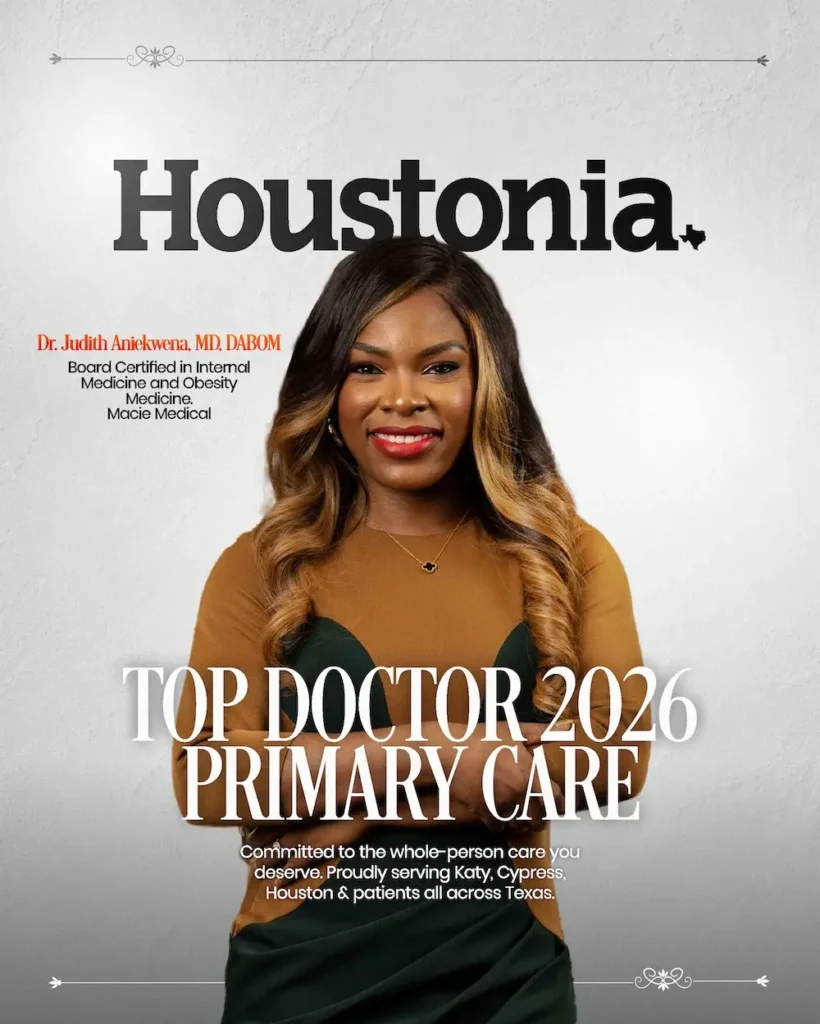
For patients in Katy and West Houston, that may look like combining primary care, lab work, chronic disease management, and medically supervised weight loss in one place. Macie Medical reflects that kind of approach – practical, personalized, and built around long-term support rather than a one-time prescription.
What patients should ask before starting treatment in 2026
The most useful questions are no longer just about how much weight you might lose. Patients should also ask how progress will be monitored, what side effects to watch for, how other medical conditions affect treatment, and what the plan is if the first option does not work well.
It is also wise to ask about maintenance early. If a treatment helps you lose weight, what comes next? How will your provider help protect muscle, support nutrition, and reduce the chance of regain? These are not secondary issues. They are part of effective obesity medicine.
A good treatment plan should feel individualized, medically sound, and realistic enough to follow through on during a busy week. It should also leave room for adjustment. Obesity care works best when it responds to the patient in front of the clinician, not to a fixed script.
The direction of obesity medicine in 2026 is encouraging because it is becoming more thoughtful. Patients are no longer being asked to choose between quick fixes and no help at all. The better path is careful, evidence-based care that treats weight as part of whole-person health – and gives people steady support for the long run.