

Tirzepatide is a once-weekly injection that is FDA-approved for chronic weight management in adults with obesity, or with overweight and a weight-related condition. In Texas you need a prescription from a licensed clinician. You can’t buy it over the counter. At Macie Medical in Katy, Dr. Judith Aniekwena, board-certified in internal medicine and obesity medicine, offers physician-supervised weight loss that includes GLP-1 medications such as tirzepatide when appropriate. This guide explains how the medication works, who may be a candidate, what the dosing schedule looks like, and which questions to settle before your first visit.
TL;DR
- Tirzepatide (sold for weight management as Zepbound) is a weekly injection that activates two hormone receptors, GLP-1 and GIP, to reduce appetite and food intake.
- The FDA-approved use is for adults with a BMI of 30 or higher, or 27 or higher with at least one weight-related condition, alongside a reduced-calorie diet and more physical activity.
- It requires a prescription in Texas, and dosing rises slowly in steps of at least four weeks, so the first months are about tolerability, not speed.
- Coverage and cost depend on your plan and the product, so confirm both before you start.
- A first visit at Macie Medical covers your history, labs, goals, and whether tirzepatide fits you at all.
Table of Contents
- What tirzepatide is and how it works
- Who may qualify for tirzepatide for weight loss
- How treatment starts, increases, and is monitored
- How much weight can you expect to lose?
- Side effects and warning signs
- Can you buy tirzepatide over the counter in Texas?
- What tirzepatide costs and what insurance may cover
- What to do alongside the medication
- Our perspective: weight care works best inside primary care
- Start your weight plan in Katy
- FAQ
- Sources
What tirzepatide is and how it works
Tirzepatide is the active ingredient in Zepbound (approved for weight management) and Mounjaro (approved for type 2 diabetes). According to the FDA, Zepbound activates GLP-1 and GIP hormone receptors to reduce appetite and food intake, and it is used with a reduced-calorie diet and increased physical activity.
That last part matters. The medication is a tool inside a plan, not a plan by itself. Most patients tell us the first thing they notice is quieter food noise: fewer cravings and feeling full sooner. That gives you room to build habits that were hard to hold before, such as regular protein at meals, steady movement, and better sleep.
Because it is a weekly injection, you give it to yourself at home under the subcutaneous route. We teach you the technique, the storage basics, and what to do if you miss a dose.
Who may qualify for tirzepatide for weight loss
The FDA’s approval covers adults with obesity (BMI of 30 or higher), or overweight (BMI of 27 or higher) with at least one weight-related condition. Weight-related conditions commonly include high blood pressure, type 2 diabetes, and high cholesterol.
BMI is only the starting point. A clinician should also look at:
- Your history. Past weight loss attempts, current medications, and any prior GI problems.
- Your labs. Blood sugar, kidney function, cholesterol, and thyroid markers. Our on-site lab services make this easier to complete in one place.
- Your safety screen. For example, the VA’s April 2026 criteria for Zepbound exclude known pregnancy or lactation, a personal or family history of medullary thyroid carcinoma or MEN2, severe gastrointestinal dysmotility including gastroparesis, and a history of pancreatitis unless the cause is known and no longer a risk. The same criteria call for documented participation in a comprehensive lifestyle intervention covering diet, physical activity, and behavior change.
If any of those exclusions sound like you, tell your clinician at the first visit. They change which options are safe, and a good plan can still be built around them.
Tirzepatide should not be combined with other GLP-1 products. The FDA notes that Zepbound should not be used with Mounjaro or a GLP-1 receptor agonist. Bring a full list of what you take, including anything you were prescribed elsewhere.
How treatment starts, increases, and is monitored
The FDA label sets a gradual schedule. The starting dose is 2.5 mg once weekly for four weeks, then 5 mg once weekly. Increases come in 2.5 mg steps, only after at least four weeks at the current dose, up to a maximum of 15 mg weekly. Maintenance doses are 5 mg, 10 mg, or 15 mg.
The starting 2.5 mg dose is there to help your body adjust, not to produce the main effect. A typical path looks like this:
| Stage | Weekly dose | Minimum time at this dose |
|---|---|---|
| Start | 2.5 mg | 4 weeks |
| First step up | 5 mg | 4 weeks before any increase |
| Further steps | 7.5 mg, 10 mg, 12.5 mg, then 15 mg | 4 weeks each |
You do not have to climb to the top. The label asks clinicians to consider response and tolerability, so the right dose is the lowest one that works for you and feels manageable. Monitoring is part of that. The label points to blood glucose in patients with diabetes, renal function when side effects could cause fluid loss, and retinopathy progression for those with a history of diabetic retinopathy.
That is why regular follow-up matters more than the prescription itself. Between visits, our team stays reachable, and telehealth follow-ups are available to patients anywhere in Texas, so a dose conversation does not have to wait for a drive down I-10.
How much weight can you expect to lose?
People in Katy often ask how long it takes to lose 20 pounds. There is no honest single answer, because results vary by dose, adherence, starting weight, and the habits around the medication.
Here is what the research shows. In FDA-reviewed obesity trials lasting 72 weeks, the highest approved dose produced an average 18% body-weight reduction versus placebo in the larger trial of adults without diabetes. In the SURMOUNT-1 trial, as reported by Eli Lilly, average reductions were 16.0% at 5 mg, 21.4% at 10 mg, and 22.5% at 15 mg over 72 weeks, with a mean baseline weight of 231 lb.
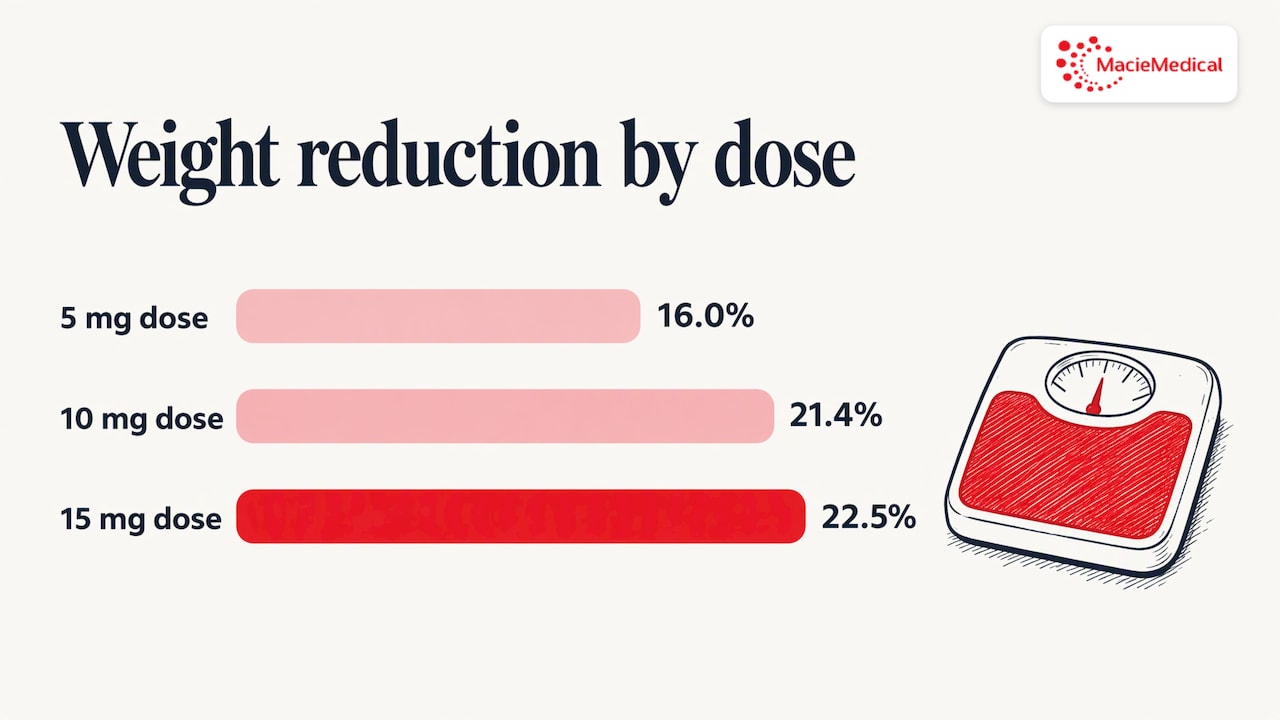
For a person starting near 231 lb, those percentages work out to roughly 37 to 52 pounds over about a year and a half. These are group averages in a clinical trial that included diet and activity support. They are not a promise for any one person. Some patients lose more, some less, and the pace is usually faster early on and slower later.
A more useful way to think about it is milestones. Because the dose rises every four weeks or more, the first month or two are mostly adjustment. We set goals around energy, blood pressure, blood sugar, and how your clothes fit, not just the scale.
Side effects and warning signs
Most side effects are digestive and tend to show up when the dose goes up. The FDA lists nausea, diarrhea, vomiting, constipation, abdominal discomfort or pain, injection-site reactions, fatigue, burping, hair loss, and reflux among the common effects.
A few practical habits help many patients stay comfortable:
- Eat smaller portions and stop when you feel full.
- Limit very greasy or heavy meals, especially in the days after a dose change.
- Keep water close, since vomiting or diarrhea can dehydrate you.
- Tell us about persistent symptoms rather than waiting them out. We may hold at your current dose longer.
Some symptoms need prompt medical attention:
- Severe, persistent abdominal pain, sometimes spreading to the back, with or without vomiting. The label describes this as a sign of possible pancreatitis, and says to discontinue Zepbound if pancreatitis is suspected. Call your doctor or go to an emergency room.
- Signs of a severe allergic reaction. The label says to promptly seek medical attention for hypersensitivity reactions.
- A neck lump, trouble swallowing or breathing, or lasting hoarseness. The label carries a warning about thyroid C-cell tumors in rats. Human relevance is unknown, and it is contraindicated with a personal or family history of MTC or MEN2.
The FDA also lists gallbladder problems, low blood sugar, kidney injury, diabetic retinopathy, and suicidal behavior or thinking among its warnings. Tell us about any of these in your history, and call us or 911 if something feels wrong.
Can you buy tirzepatide over the counter in Texas?
No. Tirzepatide is a prescription medication, so you need an evaluation by a licensed clinician and a prescription filled by a pharmacy. Be cautious with anything marketed directly to consumers without one.
The approved version and the compounded version are not the same thing. Zepbound and Mounjaro are FDA-approved products. Compounded versions are made by pharmacies and are not FDA-approved. They were allowed in the first place because of a shortage: on December 19, 2024, the FDA declared the tirzepatide shortage over, which ended compounding under the shortage exemption after short grace periods.
The FDA has since raised safety concerns. As of May 31, 2026, it had received more than 730 adverse event reports tied to compounded tirzepatide, and it has warned about unapproved products labeled “for research purposes.” The takeaway for you: ask any provider exactly which product you are being given, where it comes from, and what dose it contains. A clinician you trust will answer plainly.
What tirzepatide costs and what insurance may cover
Cost is the second most common question we hear, and the honest answer depends on your coverage. The American College of Cardiology notes that insurance coverage, availability, and affordability are likely to influence which medication is chosen, and that lack of coverage remains a major access barrier.
A few points to check:
- Commercial plans. Coverage for weight-loss medication varies widely by employer and plan. Call the number on your card and ask whether Zepbound is covered for weight management, and whether prior authorization or a documented lifestyle program is required.
- Medicare. Medicare’s GLP-1 Bridge covers certain listed GLP-1 drugs for eligible people with Part D drug coverage, with a $50 copayment for a one-month supply. Eligibility depends on age, BMI, medical conditions, and whether you already receive GLP-1 coverage through Part D, so read the Medicare weight loss drug rules for your situation.
- Self-pay. Our cash pay page explains how self-pay visits work. For a broader look at budgeting, see our guide to finding affordable weight loss programs.
We will not guess at your medication price in a blog post. Ask us at your visit, and we will walk you through the visit costs and the next steps.
What to do alongside the medication
The FDA indication pairs tirzepatide with a reduced-calorie diet and more physical activity, so it helps to plan these before your first injection.
Protein and fiber first. With a smaller appetite, every meal needs to count. Our piece on high-protein, high-fiber meal plans is a good starting point.
Movement you can repeat. Strength and joint-friendly cardio protect muscle and keep momentum going. If your knees, back, or hips make high-impact workouts hard, these low-impact exercises for weight loss give you options you can do at home or in a Katy gym.
Sleep, stress, and hydration. These affect hunger hormones and how well you tolerate dose increases.
Your other conditions. Blood pressure, blood sugar, and thyroid health all interact with weight. As a primary care practice, we manage them together, which is one of the real advantages of starting weight care with your own doctor.
Our perspective: weight care works best inside primary care
We built Macie Medical on the idea that you should be heard. For weight management, that means we start with your story, not a prescription pad.
Dr. Aniekwena is board-certified in both internal medicine and obesity medicine, so the person guiding your weight plan also understands your blood pressure, your blood sugar, your thyroid, and the medicines you already take. We believe that is the safest way to use a GLP-1 medication such as tirzepatide when it is appropriate for you.
Our approach is unhurried. We explain the dose schedule, what to expect each month, and what to do when something feels off. You leave every visit understanding your plan, and you can reach us between visits.
Medication is one part of a clearer path. We pair it with nutrition, movement, and follow-up that fit your life, so the progress you make is progress you can keep.
Macie Medical
Start your weight plan in Katy
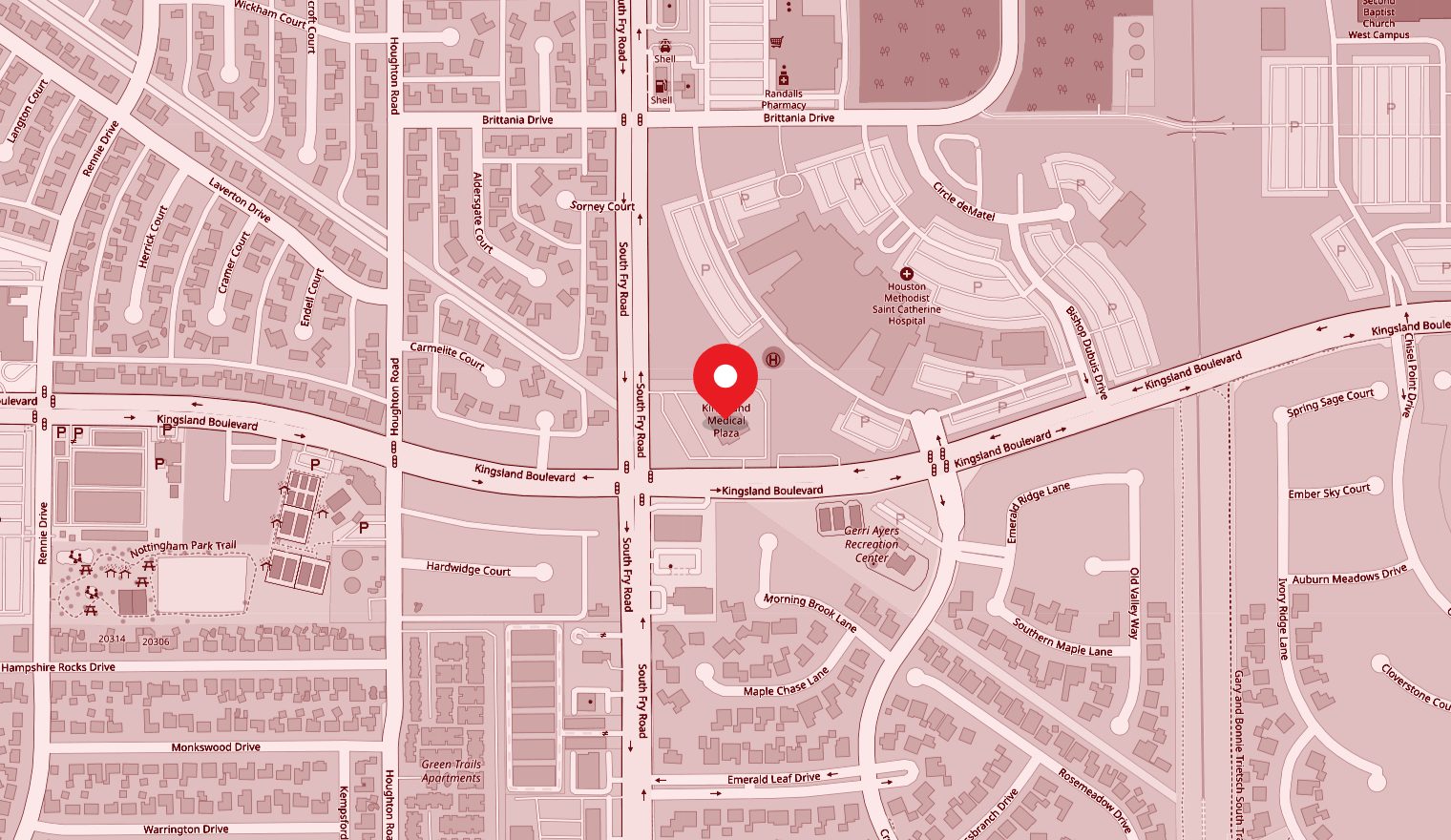
Macie Medical serves patients from Katy, Cypress, Richmond, and Memorial City, with telehealth for patients anywhere in Texas. Starting November 16, 2026, we welcome patients at our new, larger office at 633 E Fernhurst Dr, Suite 205, Katy, TX 77450.

If you want to know whether tirzepatide fits you, book a visit through our weight loss page and bring your medication list and questions. You can also read about our weight loss membership options or explore our GLP-1 medication services in Katy.
FAQ
Do I need to have diabetes to get tirzepatide for weight loss?
No. Zepbound is FDA-approved for chronic weight management in adults with obesity, or with overweight and at least one weight-related condition. Diabetes is not required. If you do have diabetes, tell your clinician, because blood glucose needs closer monitoring on treatment.
Can I switch from semaglutide to tirzepatide?
Some patients do, but it is a clinical decision. The two should not be taken together, and the right starting dose and timing depend on your current dose and how you tolerate it. Discuss it at a visit before changing anything.
How often will I need follow-up visits?
Because doses rise only after at least four weeks at the current one, most patients check in regularly during the first several months. We schedule follow-ups around your dose changes, and telehealth can cover many of them.
What happens if side effects are hard to manage?
Let us know early. Often the answer is staying at the current dose longer, adjusting meals, or reviewing hydration. For severe abdominal pain, signs of an allergic reaction, or trouble breathing or swallowing, seek emergency care right away.
Sources
- FDA: FDA approves new medication for chronic weight management
- FDA prescribing information for Zepbound (revised 09/2025)
- Zepbound FDA label, NDC 0002-6304
- VA criteria for use: tirzepatide (Zepbound) for weight management, April 2026
- Eli Lilly: SURMOUNT-1 results
- Medicare.gov: weight loss drugs
- American College of Cardiology: guidance on weight management drugs
- American Med Spa Association: tirzepatide shortage ends
- Becker’s Hospital Review: FDA warns on compounded GLP-1s
- RIRLift: low impact exercises for weight loss