

A good GLP-1 weight loss program is more than a prescription. It is a physician-led plan that checks whether the medication is right for you, chooses and adjusts the dose, tracks your labs and side effects, and builds eating and activity habits that fit your life. At Macie Medical in Katy, Texas, this care is led by Dr. Judith Aniekwena, who is board-certified in both internal medicine and obesity medicine, so your weight, your other conditions and your medications are looked at together.
This guide explains how GLP-1 medications work, who qualifies, what the first months look like, what results the research shows, and how to tell a safe program from a risky one.
TL;DR
- GLP-1 medications such as semaglutide and tirzepatide help you feel full sooner and eat less. They work best alongside a reduced-calorie diet and more physical activity.
- The FDA has approved tirzepatide (Zepbound) for adults with a BMI of 30 or higher, or 27 or higher with a weight-related condition such as high blood pressure, type 2 diabetes or high cholesterol.
- A medical program should include a full health review, lab work, dose adjustments, side-effect management and a plan for maintaining your results.
- Be cautious with unapproved or compounded versions sold online. The FDA has raised specific safety concerns about them.
- Macie Medical offers physician-supervised weight loss in Katy, with in-person visits and telehealth across Texas.
Table of Contents
- What a GLP-1 weight loss program actually is
- Who qualifies for GLP-1 medication
- What results to expect
- What the first months look like
- Managing side effects
- Approved medications versus compounded versions
- Pills or injections?
- What about weight loss surgery?
- How to choose a GLP-1 weight loss program
- Why one practice for weight loss and primary care
- Weight loss at Macie Medical
- Questions to bring to your first visit
- FAQ
- Sources
What a GLP-1 weight loss program actually is
GLP-1 stands for glucagon-like peptide-1, a hormone your gut releases after you eat. It tells your brain you are full and slows how fast your stomach empties. GLP-1 medications copy this signal. Many people notice less hunger and fewer cravings, and they feel satisfied with smaller portions.
The medication is one part of a program. A medical weight loss program wraps the medication in the things that make it safe and lasting:
- A visit with a physician who reviews your history, your current medications and your goals.
- Lab work to check blood sugar, cholesterol, thyroid and other markers that affect weight.
- A starting dose that rises gradually, so your body can adjust.
- Regular follow-up to manage side effects and adjust the plan.
- Nutrition and lifestyle coaching so you keep muscle, eat enough protein and build habits that outlast the prescription.
- A plan for what happens when you reach your goal.
If you want to understand the science in more depth, our page on how GLP-1 causes weight loss walks through it in plain language.
Who qualifies for GLP-1 medication
For the weight-loss version of tirzepatide, the FDA’s approval covers adults with obesity (a body mass index of 30 or higher) or overweight (27 or higher) who also have at least one weight-related condition, such as high blood pressure, type 2 diabetes or high cholesterol. It is meant to be used together with a reduced-calorie diet and increased physical activity.
Body mass index (BMI) is a ratio of weight to height. It is a starting point, not the whole picture. Your physician also looks at where you carry weight, your blood pressure, your blood sugar, your sleep, your medications and your history of dieting. That is why a visit with an obesity medicine physician matters: two people with the same BMI can need very different plans.
You may be a good candidate if:
- You have tried diet and exercise changes and the weight keeps returning.
- You have prediabetes, type 2 diabetes, high blood pressure, high cholesterol or sleep apnea alongside excess weight.
- You want a structured plan with medical oversight, not a quick fix.
Your physician will also ask about your thyroid history, pancreas and gallbladder problems, pregnancy plans and the other medications you take. These questions are part of using the medication safely. Bring a full medication and supplement list to your first visit.
What results to expect
Results vary from person to person, so the most honest answer comes from clinical trials. In SURMOUNT-1, a study of 2,539 adults with obesity or overweight and related health problems, people taking the highest dose of tirzepatide lost an average of 48 pounds over 72 weeks, and those on the lowest dose lost an average of 34 pounds. The average starting weight was 231 pounds. Those participants also followed a diet and exercise plan.
A few points help put that in perspective:
- Trial results are averages. Some people lose more and some lose less.
- Weight loss is usually gradual. The dose is raised in steps, and the biggest changes come over many months.
- Results depend on the full plan: the dose that suits you, how well you eat, how much you move, how you sleep and how consistently you follow up.
If you want to compare the two best-known medications, we explain the differences in semaglutide versus tirzepatide for weight loss. Your physician helps you choose based on your health history, your goals and what is appropriate for you.
What the first months look like
Every patient is different, but a physician-supervised program usually follows a clear path.
Step 1: A full health review
Your first visit covers your weight history, your medical conditions, your family history, your current medications and what you hope to change. This is where the physician decides whether a GLP-1 medication is appropriate and which one.
Step 2: Baseline labs
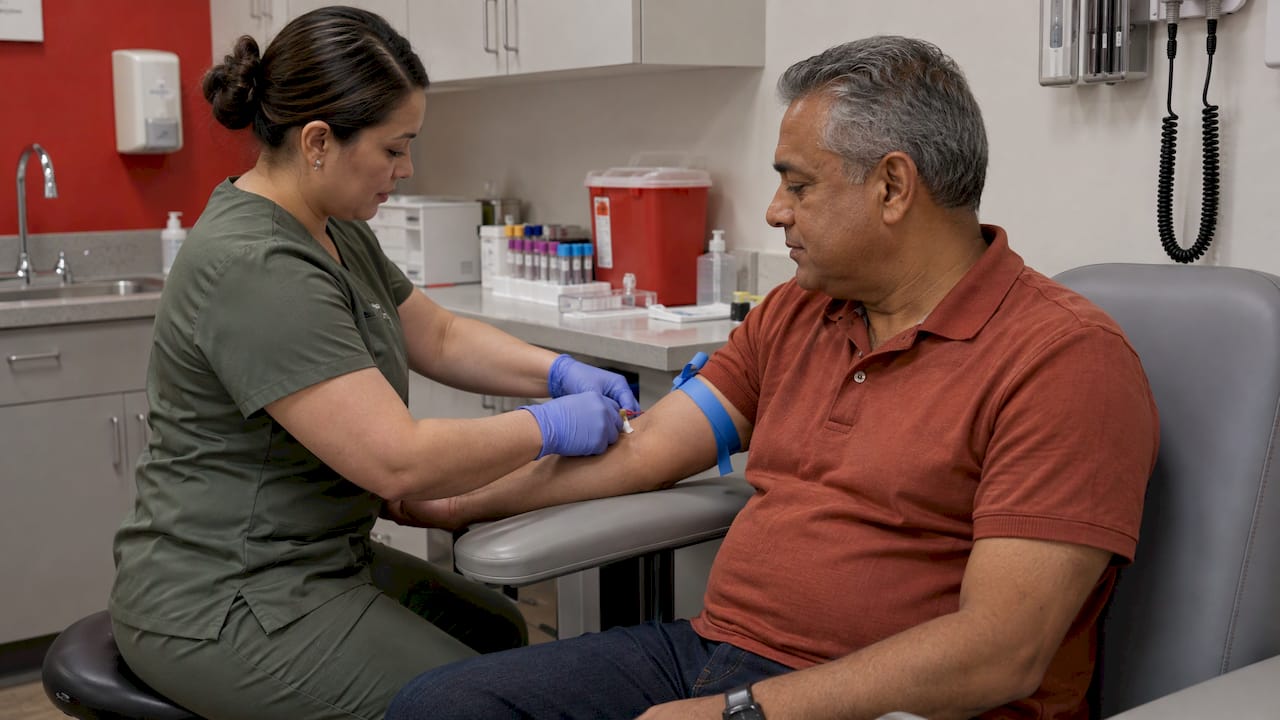
Lab work gives you and your physician a starting point and can reveal contributors to weight gain, such as thyroid problems or blood sugar changes. Macie Medical has on-site lab services, which keeps testing part of the same visit and the same care team.
Step 3: Starting dose and gradual increases
These medications are started at a low dose and increased over time. The slow increase gives your body time to adjust and helps limit side effects. Your physician decides when to raise the dose and when to hold steady.
Step 4: Regular check-ins
Follow-up visits track your weight, blood pressure, blood sugar, side effects and how you feel. Telehealth visits are available to patients anywhere in Texas, so a busy week or a long drive does not have to interrupt your plan.
Step 5: Building habits and a long-term plan
Over time, the focus shifts from losing weight to keeping it off. That means a sustainable eating pattern, regular movement and a plan for your dose as you near your goal.
Managing side effects
The most common side effects of tirzepatide, as listed in the manufacturer’s announcement of the FDA approval, include nausea, diarrhea, vomiting, constipation, stomach pain, indigestion, injection site reactions, tiredness, belching, hair loss and heartburn. Most are digestive and tend to show up as the dose goes up.
Some habits that many patients find helpful, which your physician can tailor to you:
- Eat smaller meals and stop when you feel full.
- Choose protein at each meal to help protect muscle while you lose weight.
- Drink water steadily through the day.
- Limit very fatty, fried or sugary foods if they upset your stomach.
- Keep your meals regular, since long gaps can leave you tired and shaky. Practical tips on ways to prevent sugar crashes can help you plan steady energy through the day.
Call your physician if side effects are severe or do not ease. Seek emergency care right away for severe, persistent stomach pain, signs of an allergic reaction such as swelling of the face or throat, or trouble breathing. Do not stop or change a prescribed dose without talking with your physician first.
Approved medications versus compounded versions
If you search online, you will find many offers for cheaper GLP-1 injections. Some are compounded versions, which are custom-mixed copies of semaglutide or tirzepatide. The FDA states that unapproved versions do not go through its review for safety, effectiveness and quality before they are marketed. The agency has also flagged problems such as dosing errors with compounded products, multi-dose vials, fraudulent products and salt forms of semaglutide that differ from the active ingredient in the approved drugs.
When you choose a program, you want a licensed physician who examines you, prescribes appropriately and follows your progress. An approved medication, prescribed after a real health review, is the safest foundation for your plan.
Pills or injections?
GLP-1 medications come as weekly injections and, more recently, as pills. The best form depends on your preferences, your health and what your physician considers appropriate. Our comparison of GLP-1 pills versus injections explains the differences so you can come to your visit with informed questions.
What about weight loss surgery?
Some people wonder whether surgery would be a better route. The two approaches suit different situations, and the right choice depends on your health, your goals and your preferences. We lay out the comparison in GLP-1 injections versus weight loss surgery, so you can talk it through with your physician.
How to choose a GLP-1 weight loss program
Use these questions to judge any program:
- Who is the physician? Look for a licensed physician, ideally board-certified in obesity medicine, who sees you for a real evaluation.
- Is there a full health review and lab work? Weight is connected to blood sugar, thyroid, blood pressure and more.
- Are the medications FDA-approved? Ask which medication you would receive and where it comes from.
- Is there ongoing follow-up? Dose adjustments and side-effect support should be built in.
- Does the plan include nutrition and lifestyle support? The medication works best alongside eating and activity changes.
- Is your regular care connected? If you also manage diabetes, blood pressure or thyroid conditions, one team that sees all of it keeps your care coordinated.
- Are costs clear? Ask what visits, labs and the medication itself cost, and whether your insurance applies.
Why one practice for weight loss and primary care
Weight rarely changes in isolation. As you lose weight, your blood pressure medication, your diabetes medication or your cholesterol plan may need to change. When your weight loss doctor is also your primary care physician, those adjustments happen in one conversation, with one record and one person who knows your history.
That is the idea behind having a home base for your health. At Macie Medical, weight loss sits alongside primary care, women’s health, preventive care and chronic care, so you do not have to repeat your story at every appointment. If you are in menopause or perimenopause and weight has become harder to manage, your physician can consider that in your plan too.
Our perspective
We built Macie Medical on a simple promise: you will be heard here. When someone comes to us about weight, we do not see a number on a scale. We see a person with a history, a family, a schedule and goals that matter to them.
That is why we believe a GLP-1 program belongs in the hands of a physician who can see the whole picture. Dr. Aniekwena is board-certified in internal medicine and obesity medicine, so the same doctor who considers your weight can also consider your blood pressure, your blood sugar, your thyroid and your other medications.
Medication can be a powerful part of the plan. We pair it with time, attention and education, so you leave each visit understanding what comes next. Our aim is a clearer path that feels manageable and fits your life, not a program that leaves you guessing.
Macie Medical
Weight loss at Macie Medical
Our weight loss program in Katy is physician-supervised and led by a board-certified obesity medicine doctor. It includes GLP-1 medications such as tirzepatide when appropriate, along with lifestyle coaching. We welcome patients from Katy, Cypress, Richmond and Memorial City, and we offer telehealth appointments for patients anywhere in Texas.
To see how membership options work, visit our page on weight loss memberships. For self-pay information, see our cash pay clinic page.

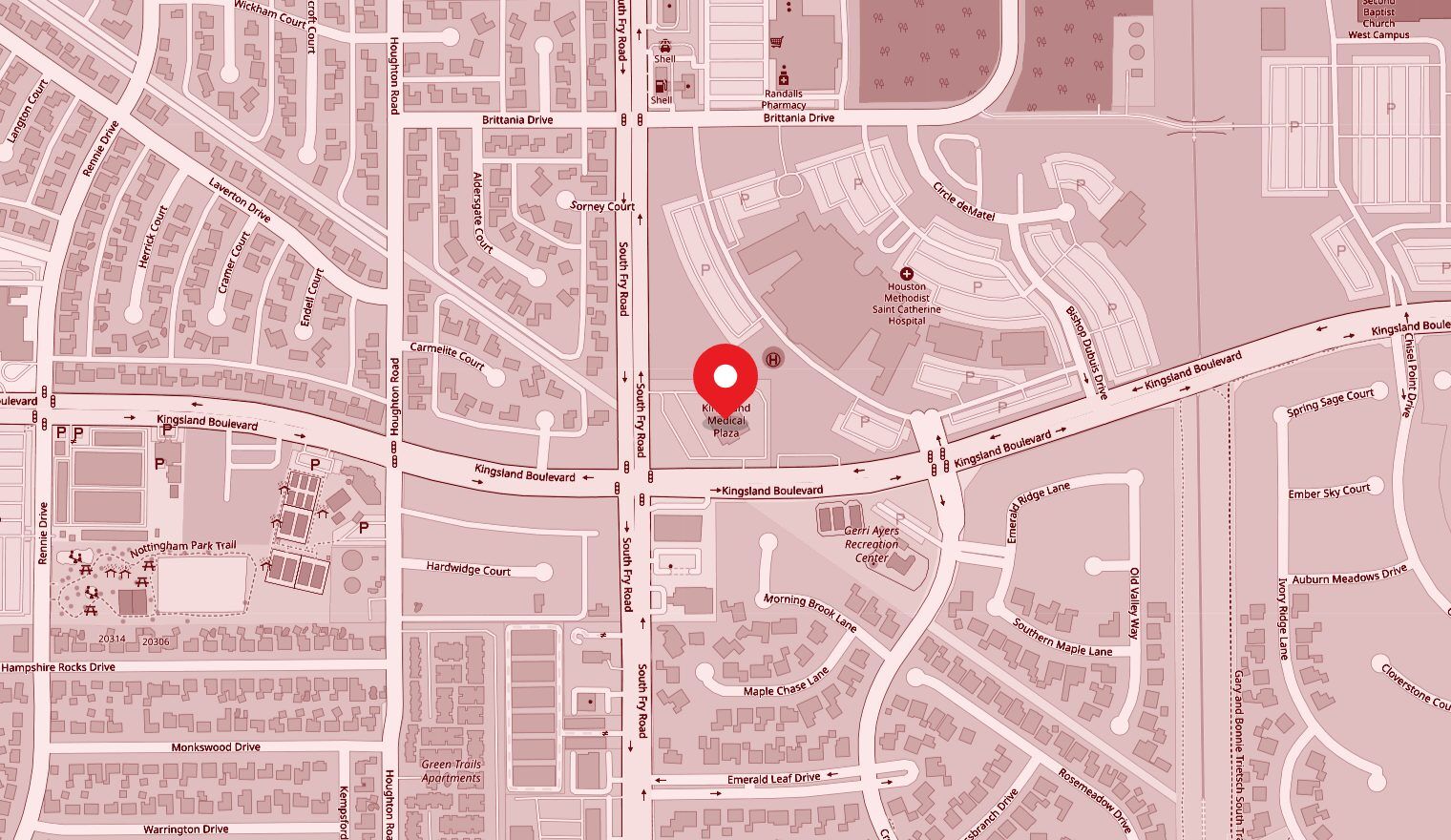
Starting November 16, 2026, we will welcome patients at our new, larger office at 633 E Fernhurst Dr, Suite 205, Katy, TX 77450. You can call or book online to schedule your visit.
Questions to bring to your first visit
A little preparation makes your first appointment more useful. Consider writing down:
- Your highest and lowest adult weights and what you have tried before.
- Every medication and supplement you take, with doses.
- Your family history of diabetes, heart disease, thyroid disease and cancer.
- Your daily routine, including work hours, meals and sleep, so the plan fits.
- Your goals, in terms of both weight and how you want to feel.
- Whether you are pregnant, planning a pregnancy or breastfeeding.
You may also want to ask what to expect at each follow-up, how your dose will be adjusted and what the plan is once you reach your goal. A physician who answers these clearly is one who plans to stay with you for the long term.
FAQ
Can I lose 30 pounds on a GLP-1 medication?
It is possible, and in the SURMOUNT-1 trial the average loss was 34 pounds on the lowest tirzepatide dose and 48 pounds on the highest, over 72 weeks. Individual results vary with your starting weight, dose, eating and activity. Your physician can set a realistic goal for you after your first visit.
How does tirzepatide work?
Tirzepatide acts on gut hormone pathways that regulate appetite and digestion, so you feel full sooner and stay satisfied longer. It is used with a reduced-calorie diet and more physical activity. Our comparison of tirzepatide and semaglutide goes into the details.
What is the best way to lose weight on semaglutide?
Take it exactly as prescribed, eat regular meals with enough protein, stay hydrated, move your body most days and keep your follow-up visits. Tell your physician about side effects early so the dose or your eating pattern can be adjusted.
Do I need to be diabetic to qualify?
No. FDA-approved weight management medications are for adults with obesity, or overweight with at least one weight-related condition, whether or not they have diabetes. Your physician reviews your health history to decide what is appropriate.
Can I do this through telehealth?
Yes, many follow-up visits can happen by telehealth. Macie Medical offers telehealth appointments to patients anywhere in Texas, and your physician will tell you when an in-person visit or lab work is needed.
Sources
- FDA: FDA Approves New Medication for Chronic Weight Management
- FDA: FDA’s Concerns with Unapproved GLP-1 Drugs Used for Weight Loss
- Eli Lilly: FDA Approves Zepbound for Chronic Weight Management
- Einstein Energy: Ways to Prevent Sugar Crashes